

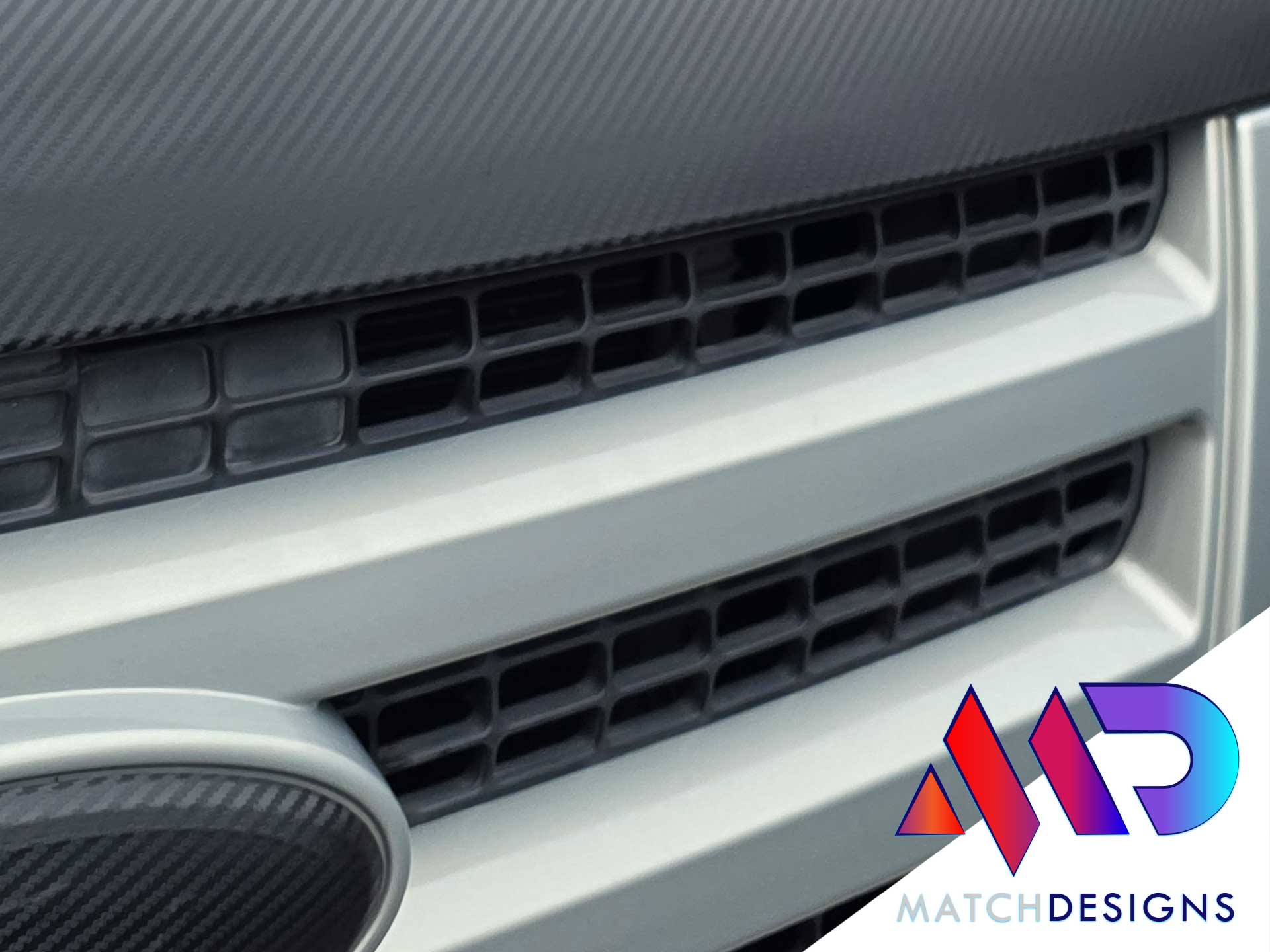
Thinking about giving your fibreglass bonnet a facelift with a vinyl wrap? Then you’re in the right place. In this guide, you’ll pick up the kind of wrapping wisdom usually shared between workshop benches and late-night jobs in the garage. With insights from the team at Matchdesigns and experienced installers around the country, you’ll learn what separates a smooth, professional wrap from a bubbled nightmare.
Why Wrap a Fibreglass Bonnet?
There’s more to vinyl wrapping than making your vehicle look sharp—though that’s certainly part of the fun. Wrapping a fibreglass bonnet protects the surface from chips and UV damage, lets you experiment with branding, and adds a bit of personal flair for good measure. Fibreglass behaves differently from metal, which makes it both a brilliant and a slightly stubborn canvas for wrapping.
If you scroll through Matchdesigns’ Instagram, you’ll see how a carefully applied wrap can totally transform a car’s look. But behind every photo-worthy finish sits a method—and plenty of patience.
The Challenge with Fibreglass
Unlike metal, fibreglass panels are lightweight and flexible. That’s great for performance but tricky when it comes to laying vinyl. The surface is often a little porous, and the curves tend to be exaggerated. This means preparation and the right technique make all the difference.
1. Prep Like a Pro
Good wrapping always starts with a clean slate. Give the bonnet a proper wash with soap and water, then follow up with isopropyl alcohol to cut through any hidden residue. As one Matchdesigns fitter likes to say, “A clean bonnet is half the job done.”
2. Smooth Things Out
Run your fingertips across the surface. Feel any bumps or ripples? A quick wet-sand with fine-grit paper can even it out. Think of it as giving the bonnet a spa treatment before the main event.
3. Get the Temperature Right
Vinyl hates extremes. Work indoors if you can, ideally between 18°C and 24°C. Go colder and it becomes brittle; warmer and it stretches out like taffy.
4. Prime for Stick
Some fibreglass panels need an adhesion promoter to help the vinyl stay put—especially around curves or edges. The pros at Matchdesigns use this as standard and swear by the extra durability it offers.
5. Pick Quality Vinyl
Cheap vinyl looks tempting until it starts lifting after a few weeks. Go for a high-grade cast vinyl that can flex and hold shape. If you’re unsure, take inspiration from the premium finishes featured on the Matchdesigns Pinterest boards.
6. Measure Twice, Cut Once
When you drape your vinyl, leave about 10cm extra around the bonnet. That extra bit will save you from shortfalls once you start stretching and cutting.
7. Use the Hinge Method
Tape the vinyl down through the centre to create a working hinge. Then tackle one side at a time, peeling and smoothing as you go. It’s simple, effective, and helps you avoid a mountain of air bubbles.
8. Warm, Don’t Roast
A heat gun helps the vinyl hug curves and contours. Just remember—you’re warming, not baking. Keep the gun moving and test small sections first.
9. The Squeegee Secret
Work the vinyl from the centre outward using a felt-edged squeegee. Wrap it in a microfiber cloth if you’re dealing with delicate finishes. The goal is smooth, even pressure—no rushing.
10. Finish the Edges Last
Leave the edges until you’ve dealt with the main surface. Then apply gentle heat, tuck the vinyl neatly underneath, and trim the surplus with a sharp blade.
11. Post-Heat for the Win
Go over the finished bonnet with a heat gun set to around 90°C. This activates the adhesive and locks everything in place. The difference it makes long-term is night and day.
Expert Insights
If there’s one message every seasoned installer repeats, it’s this: take your time. Rushing a wrap is the easiest way to waste all your effort. “Slow is smooth, and smooth is fast,” as one Hull technician puts it. Also, skimping on material means you’ll likely be redoing the job sooner than you think.
When to Call in the Experts
If your bonnet has tight curves or you want a truly professional finish, it might be worth letting the Matchdesigns crew handle it. They’ve tackled everything from custom graphics for sports cars to corporate vehicle fleets—and their results speak for themselves.
Proof in the Pictures
Visit the Matchdesigns Facebook page for examples of what’s possible. The gallery is full of customer feedback and before-and-after shots that tell the story better than any brochure could.
The Matchdesigns Difference
What keeps clients coming back? It’s the combination of skill, attention to detail, and genuine enthusiasm for helping vehicles stand out. Matchdesigns uses only premium-grade vinyls and backs every project with friendly, local expertise.
Why Matchdesigns?
- Recognised experts in fibreglass wrapping
- Premium vinyls for long-lasting results
- Custom designs tailored to your brief
- Support and advice from start to finish
Ready to Get Started?
Whether you’re up for a weekend DIY challenge or prefer to book a professional wrap, these tips will help you get the result you’re after. Check out Matchdesigns.com for more advice or to arrange a consultation.
Your fibreglass bonnet might just be a panel to some—but with the right vinyl, it becomes a statement.